
Who is the Father of Herbal Medicine?: In this article, we will delve into the intriguing world of herbal medicine and uncover the identity of the figure often referred to as the "father of herbal medicine." Throughout history, various individuals have made remarkable contributions to the field, laying the foundation for the herbal remedies we rely on today. Join us on this informative journey through time as we explore the roots of herbal medicine and the prominent figures who have shaped it.
"Who is the Father of Herbal Medicine?"
Introduction
Herbal medicine has a rich and ancient history, dating back to the dawn of civilization. It's a holistic approach to healing, utilizing the therapeutic properties of plants, herbs, and natural substances. One cannot discuss the history of herbal medicine without recognizing its pioneers, including the individual often hailed as the "father" of this practice.
The Beginnings of Herbal Medicine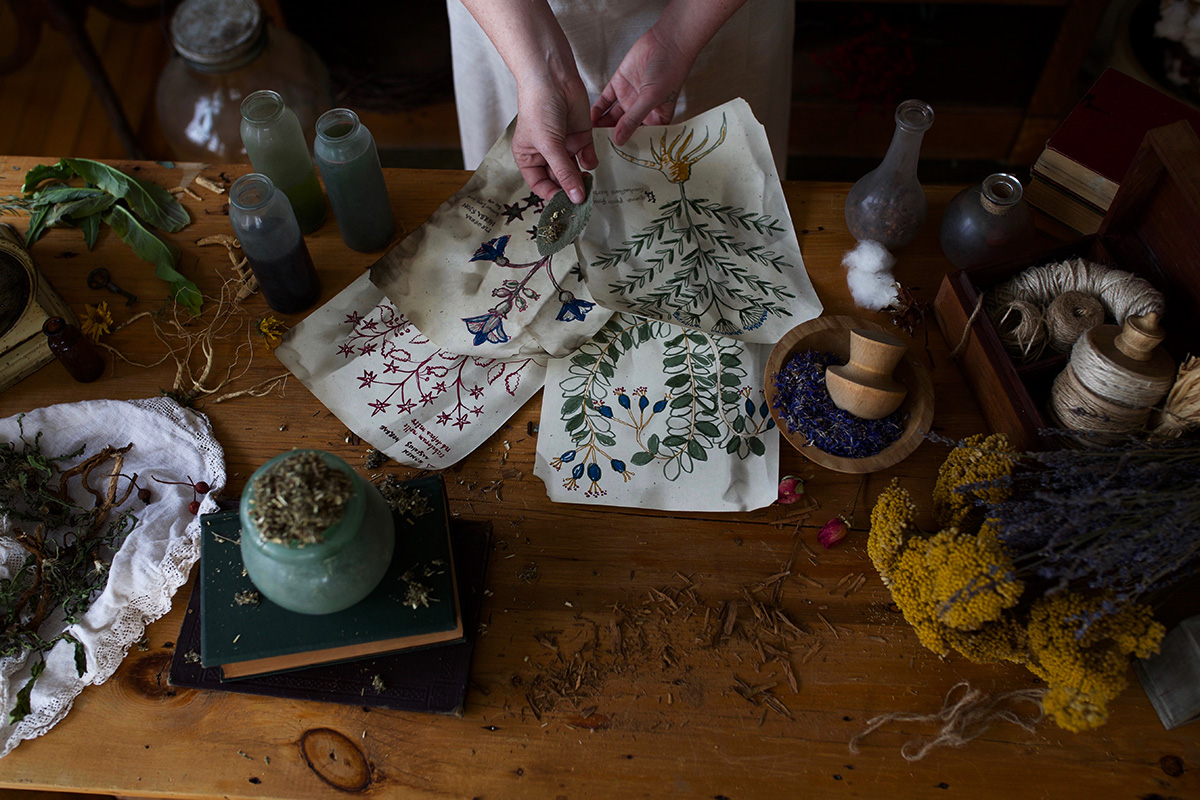
To truly understand who the father of herbal medicine is, we must journey back to the ancient civilizations of Egypt, China, and India. These cultures are among the earliest proponents of herbal remedies. We'll explore their contributions and the influential figures who emerged during these times.
Ancient Egypt: Imhotep
Imhotep, an Egyptian polymath who lived around 2700 BC, is often regarded as one of the earliest herbalists. He was not only a physician but also an architect and advisor to Pharaoh Djoser. Imhotep's papyrus writings contain valuable information on herbal medicine and surgical techniques.
Ancient China: Shen Nong
Shen Nong, a legendary figure in Chinese mythology, is credited with discovering the medicinal properties of various herbs. He is believed to have lived around 2737 BC and, through his experiments, categorized hundreds of herbs, differentiating between their healing properties and toxicity.
Ancient India: Charaka
In India, the ancient Ayurvedic text known as the Charaka Samhita, attributed to the physician Charaka, provides profound insights into herbal medicine. Charaka, who lived around 300 BC, is regarded as a key figure in the development of Ayurveda, emphasizing the use of herbs for healing.
Hippocrates: The Father of Western Medicine
The influence of herbal medicine spread to the Western world, with the ancient Greek physician Hippocrates, often called the "father of Western medicine." Hippocrates' contributions laid the groundwork for the principles of modern medicine, focusing on the use of natural remedies and the balance of bodily fluids.
Paracelsus: The Renaissance Herbalist
During the Renaissance, Paracelsus, a Swiss physician, alchemist, and astrologer, made significant strides in herbal medicine. He introduced the concept of the "doctrine of signatures," which suggested that the appearance of a plant could indicate its healing properties.
The Modern Revival of Herbal Medicine
As time progressed, herbal medicine faced periods of decline and resurgence. In recent decades, there has been a resurgence of interest in herbal remedies, with a growing emphasis on natural and holistic approaches to healthcare. Herbalists, naturopaths, and modern practitioners continue to build upon the knowledge of their predecessors.
0 Comments